
Hemp and Science: How We're Tackling PFAS at Campus Vesta
Campus Vesta, located in the province of Antwerp, is home to one of the most ambitious PFAS remediation experiments in Europe. Together with...
1 min read
A pumping well and an infiltration well are being installed in Citadelpark in the City of Ghent to study how quickly water infiltrates the soil and how it moves underground. The work is part of a preparatory study for turning Citadelpark into an "underground sponge."
In the summer of 2026, ten piezometers and three flux wells were installed at various locations across Citadelpark, mainly alongside paved areas bordering the park's green zones. The piezometers are fitted with sensors that track groundwater levels, while the flux wells are equipped with iFLUX's flux sensors, which measure the direction and speed of groundwater flow. A pumping well and an infiltration well, each 20 meters deep, are being added near the grass basin. Together, they will be used to test how the groundwater responds when water is pumped out and infiltrated. The visible footprint of the work is relatively limited.
-261c16-original-1781786887.jpg?width=2000&height=1333&name=682688-240703_AV_citadelpark_grotevijver_RS10%20(1)-261c16-original-1781786887.jpg)
This research prepares the ground for a project that has been in development for some time. As part of the redesign of the park, the City of Ghent, together with Farys and other partners, aims to disconnect rainwater from buildings and paths from the sewer system. Instead, that rainwater will infiltrate into the soil, among other things through infiltration wells, wadis and permeable gutters. Rainwater tanks for reuse are also planned, and the park's large pond will serve as an additional buffer.
The underground sponge project is a collaboration between the City of Ghent and Farys, together with iFLUX, Witteveen+Bos and NV Citadel Finance. iFLUX is responsible for the groundwater monitoring, including the flux sensors installed in the flux wells.
.jpg)
Campus Vesta, located in the province of Antwerp, is home to one of the most ambitious PFAS remediation experiments in Europe. Together with...
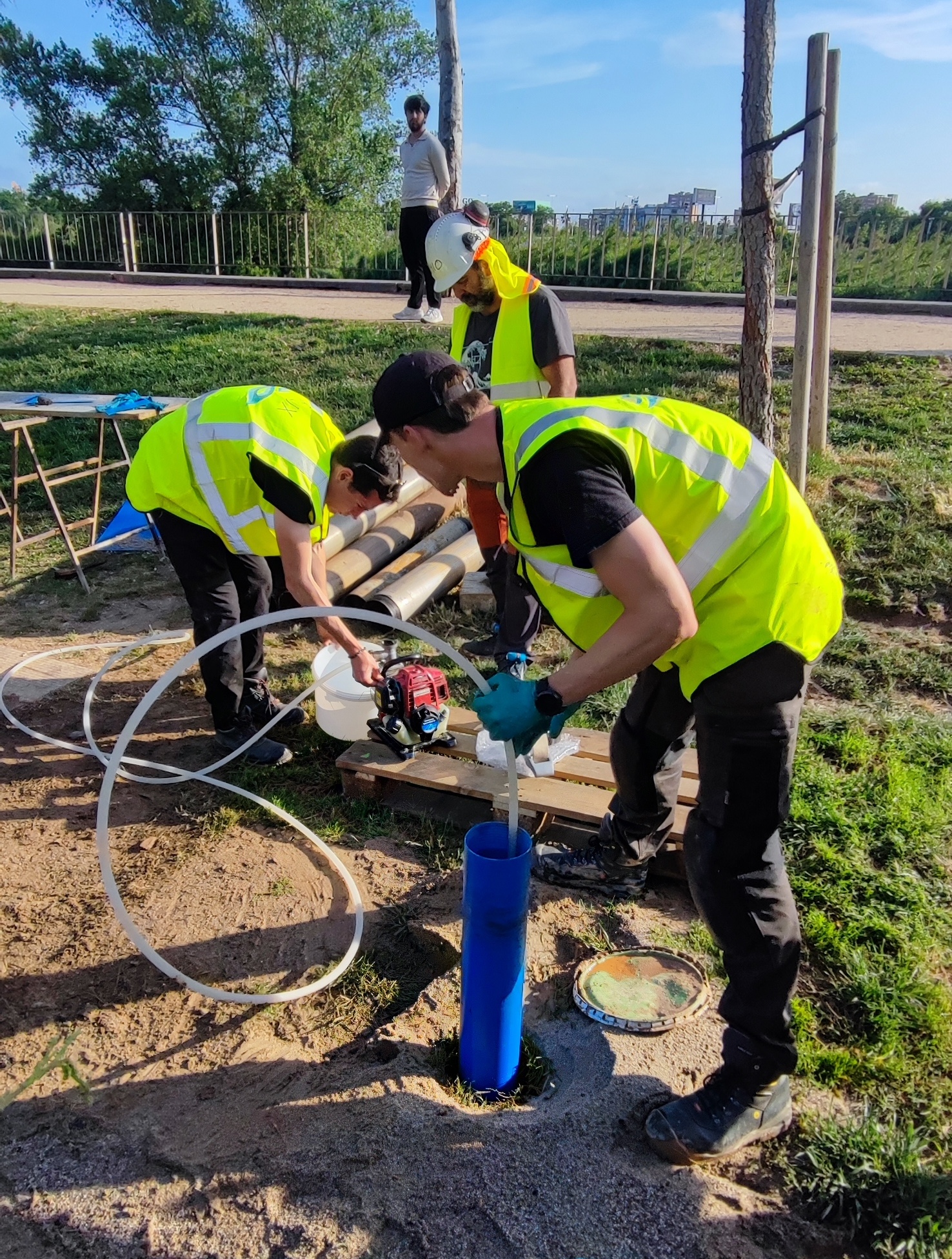
In May, iFLUX reached an important international milestone with the installation of its very first flux sensors in Spain. The project takes place in...
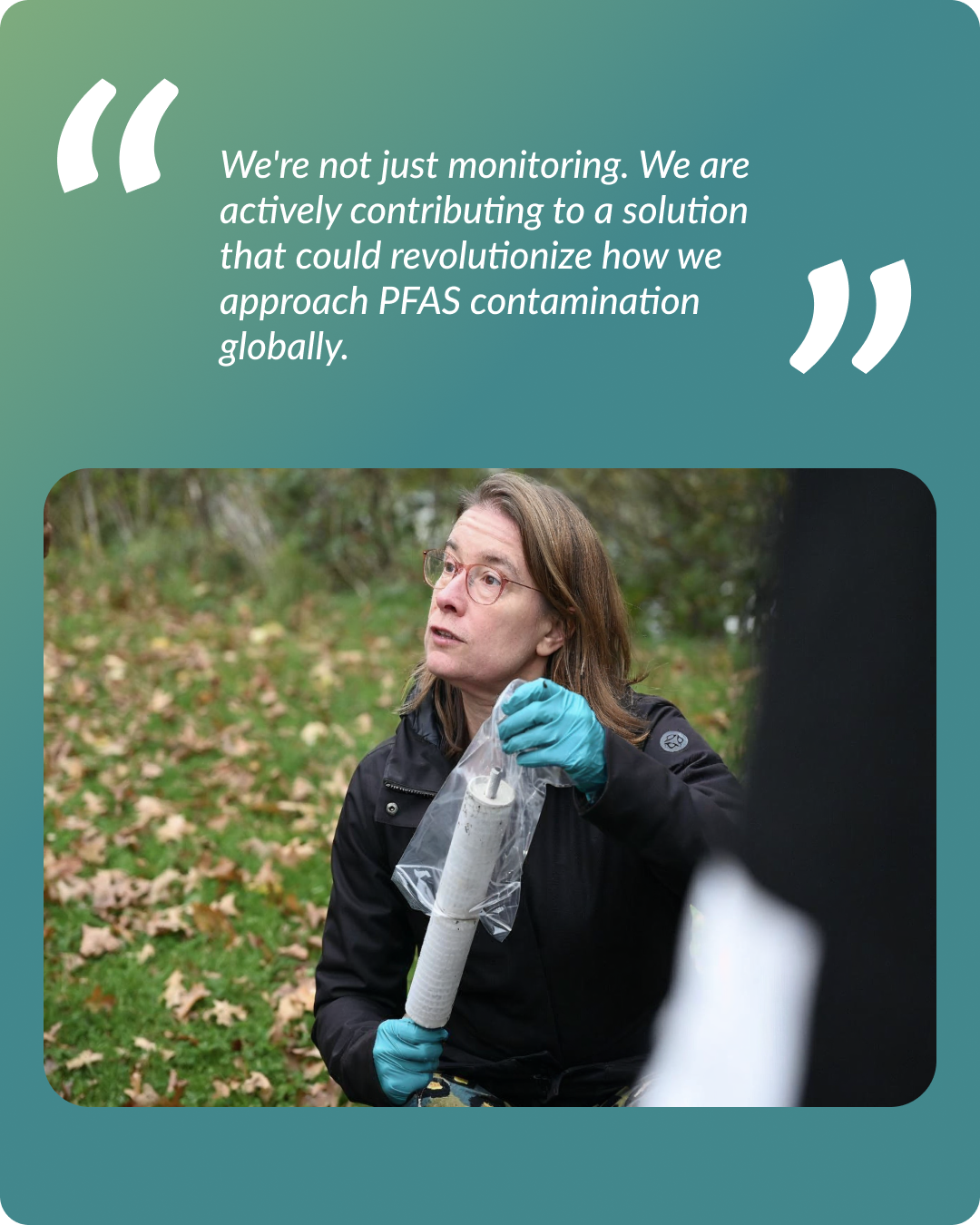
In the complex world of environmental remediation, understanding contamination is half the battle. The InSuFix project represents a collaboration...